

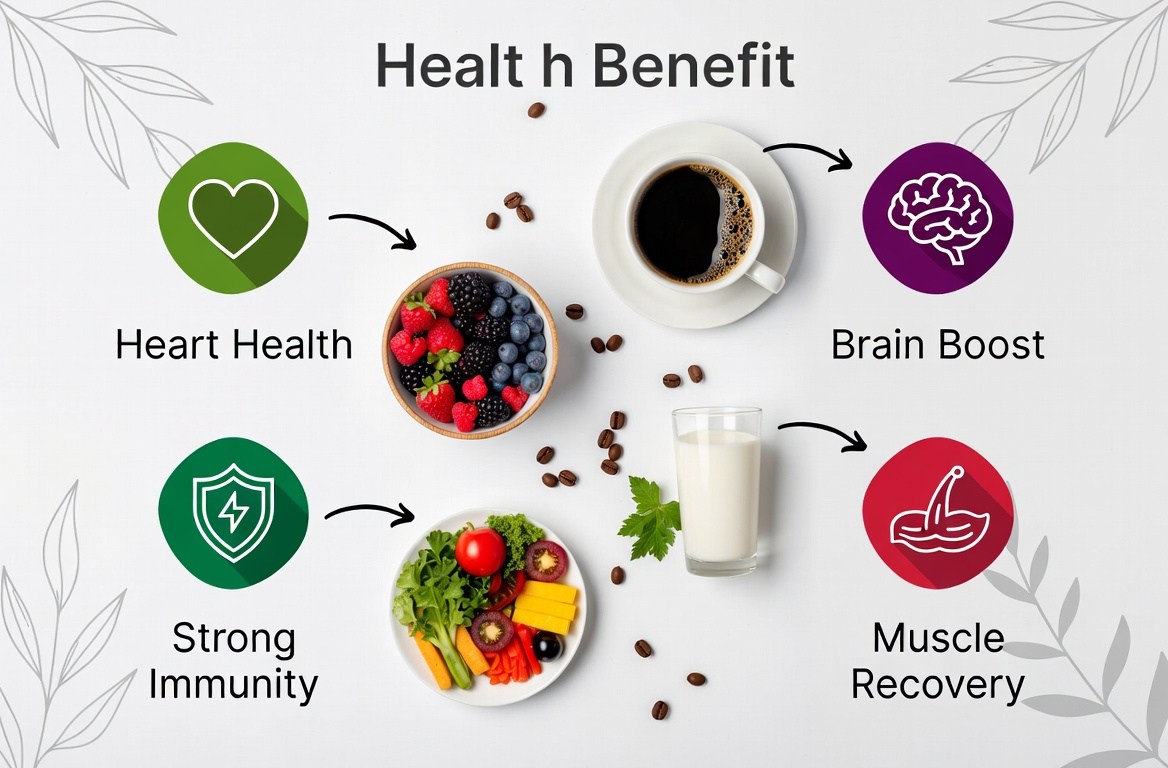
In an era where wellness is paramount, functional foods have emerged as powerful allies in the quest for optimal health. Unlike ordinary foods that primarily provide basic nutrition, functional foods deliver additional physiological benefits that go beyond essential nutrients. These nutrient-dense powerhouses—ranging from fortified cereals and probiotic yogurts to antioxidant-rich berries and omega-3 enhanced foods—play a pivotal role in disease prevention, immune support, and overall vitality. As a leading health expert, I emphasize that integrating functional foods into your daily routine is not just a trend but a science-backed strategy to amplify your fitness efforts and longevity.

Functional foods are defined as whole, fortified, enriched, or enhanced foods that provide health benefits beyond basic nutrition when consumed regularly as part of a varied diet. Examples include oats with beta-glucan for cholesterol management, tomatoes rich in lycopene for heart and prostate health, and fermented foods like kimchi or kefir teeming with probiotics for gut health.
One of the primary benefits is disease prevention. Diets rich in functional foods high in antioxidants, polyphenols, and fiber combat oxidative stress and chronic inflammation—key contributors to heart disease, type 2 diabetes, and certain cancers. Studies show that regular consumption of whole grains can reduce the risk of colorectal cancer by about 17% with just three servings daily. Omega-3 fatty acids from fortified foods or fatty fish support cardiovascular health by lowering triglycerides and improving endothelial function.
For fitness enthusiasts, functional foods enhance performance and recovery. Protein-fortified options aid muscle repair, while nitrate-rich foods like beets improve blood flow and endurance during workouts. Probiotics optimize gut microbiota, which influences nutrient absorption, immunity, and even mood via the gut-brain axis. This is crucial because a healthy gut can reduce exercise-induced inflammation and support consistent training.

Mental health also benefits significantly. Functional foods rich in B vitamins, magnesium, and omega-3s help regulate neurotransmitters, potentially alleviating symptoms of anxiety and depression. Curcumin in turmeric, often enhanced in functional formulations, exhibits anti-inflammatory properties that support brain health and cognitive function.
Practical incorporation is straightforward. Start your day with a smoothie blending berries (antioxidants), spinach (nitrates and vitamins), and Greek yogurt (probiotics). Snack on nuts for healthy fats and magnesium. Choose fortified plant milks or eggs for vitamin D and omega-3s, especially important in regions with limited sunlight. Always prioritize whole food sources over isolated supplements for synergistic effects.
Safety and evidence matter. While functional foods are generally safe, excessive fortification or poor-quality products can pose risks. Consult professionals for personalized advice, particularly if you have conditions like allergies or are on medication. Randomized controlled trials provide the strongest evidence, underscoring the need for evidence-based choices rather than marketing hype.
Combining functional foods with exercise creates a multiplier effect. Nutrients fuel workouts, speed recovery, and sustain energy levels, leading to better adherence and results in strength, endurance, and body composition
Functional foods represent a cornerstone of proactive health management. By strategically including them, you can boost immunity, enhance athletic performance, protect against chronic diseases, and elevate mental resilience. Commit to a diet abundant in these functional powerhouses alongside consistent training, and witness transformative improvements in your vitality. Your body will thank you with sustained energy, sharper focus, and greater longevity. Embrace this approach today for a healthier tomorrow
 HOHEALTHFLOW